



Kusama in Holland
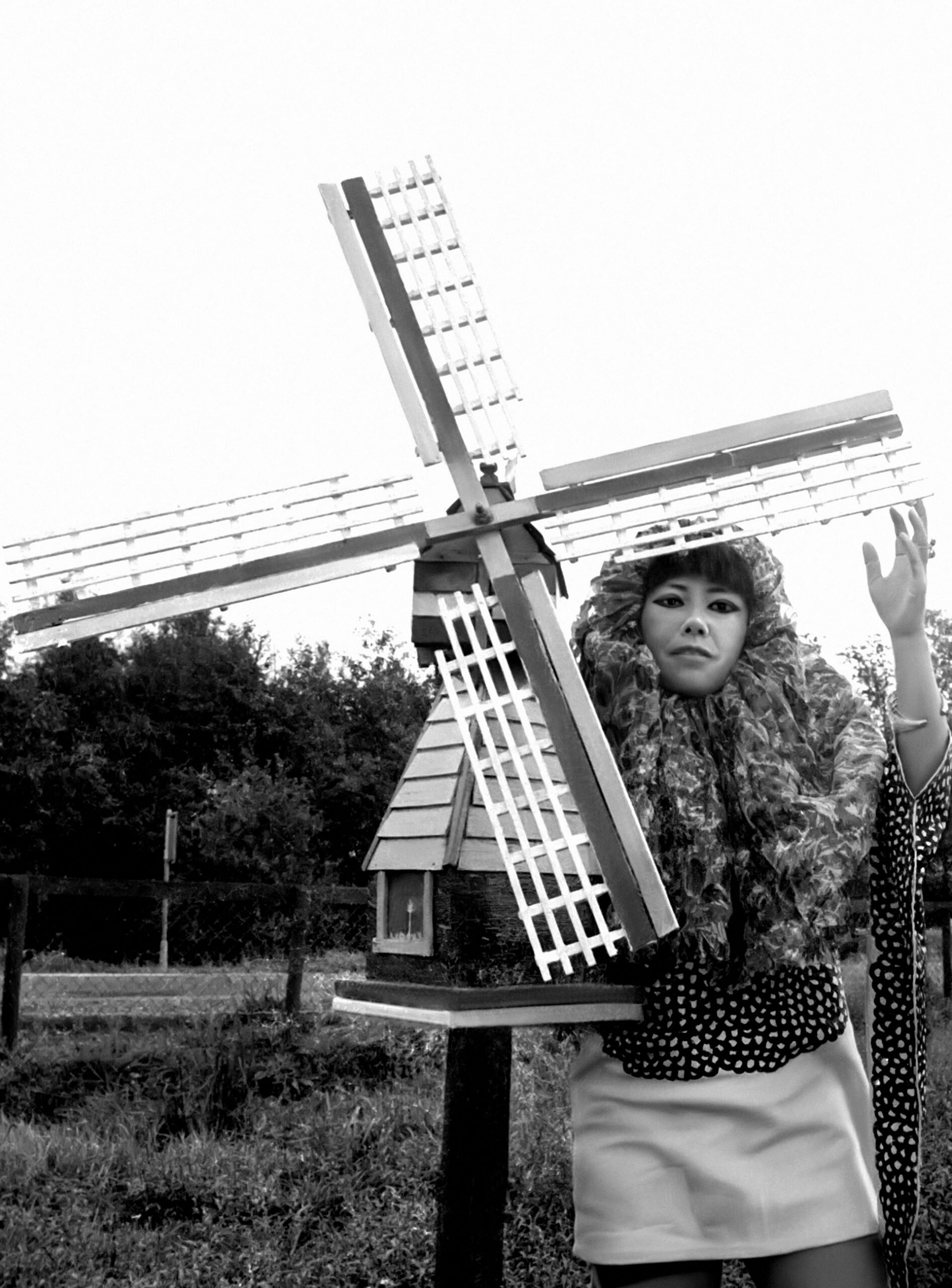
Behind the myth of the world’s best-selling female artist Yayoi Kusama, lies a surprising chapter. Kusama in Holland reveals how a young Japanese outsider, in the unlikely setting of the Dutch polder landscape, emerged as one of the most radical artistic voices of her generation, laying the foundations for a global artistic empire. Among those reflecting on Kusama’s enduring significance are performance artist Alicia Framis—the first woman to marry an AI hologram—who explores Kusama’s lasting impact on contemporary art, female identity, and the power of boundless imagination.
Fertile Ground for a Radical Mind
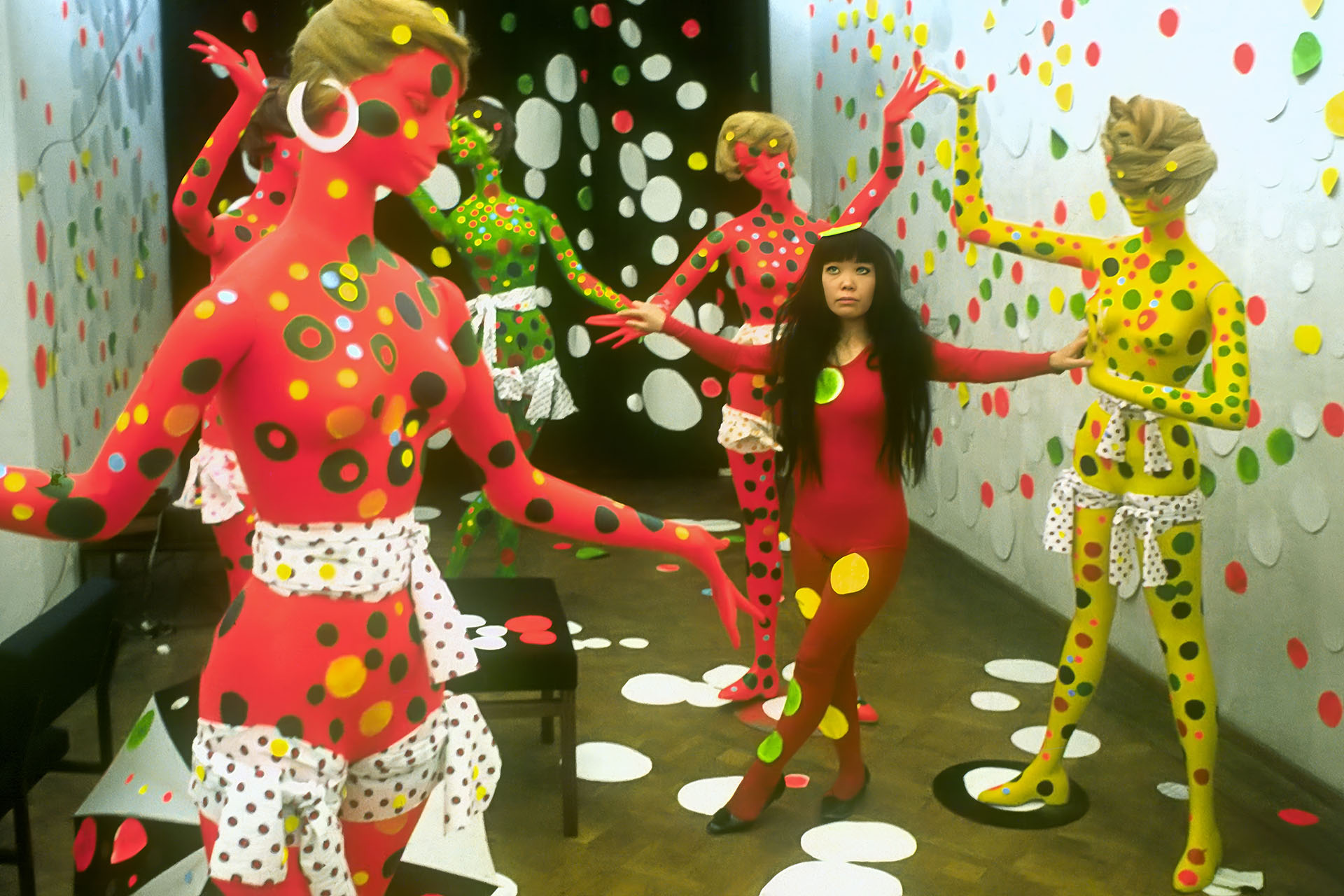
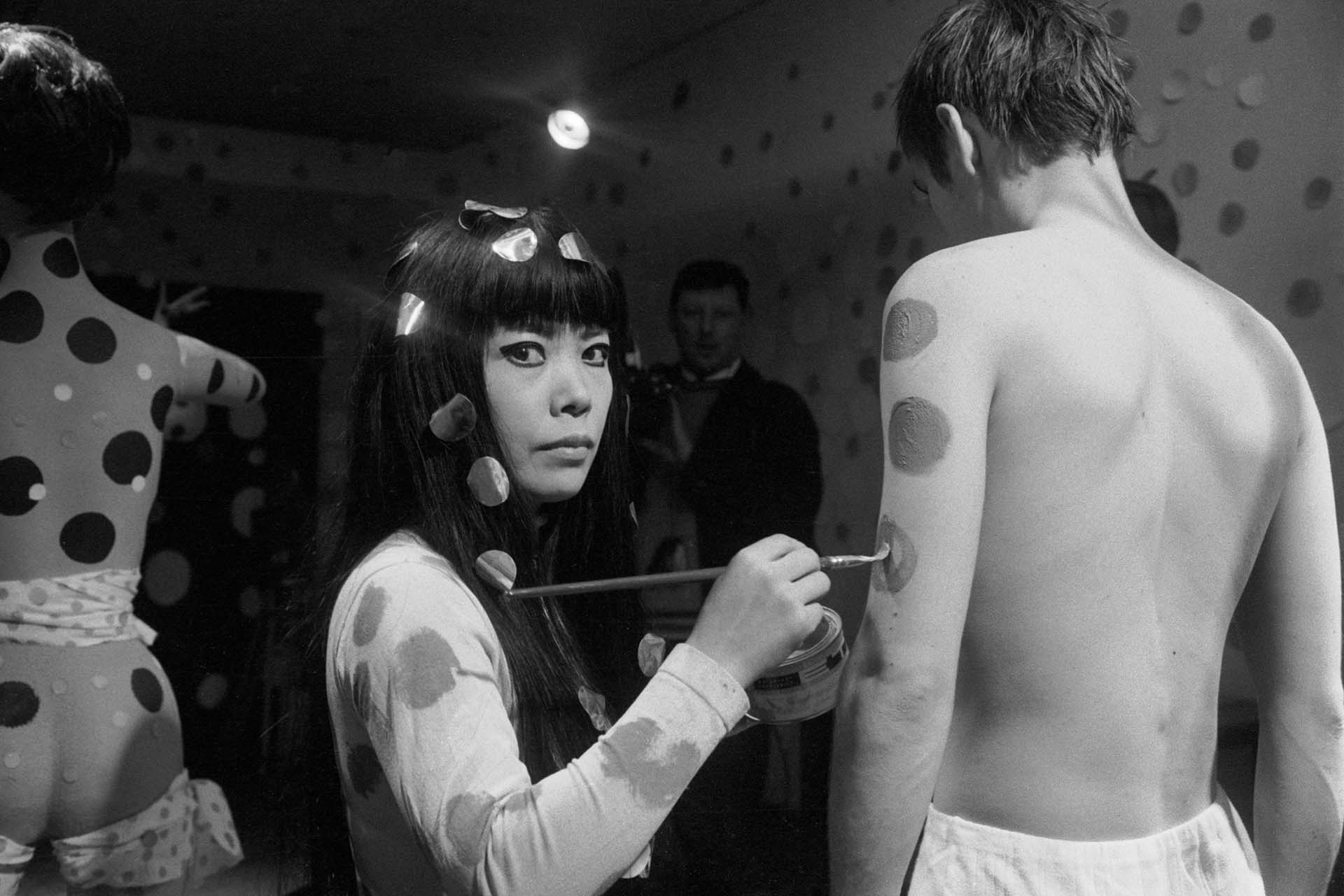
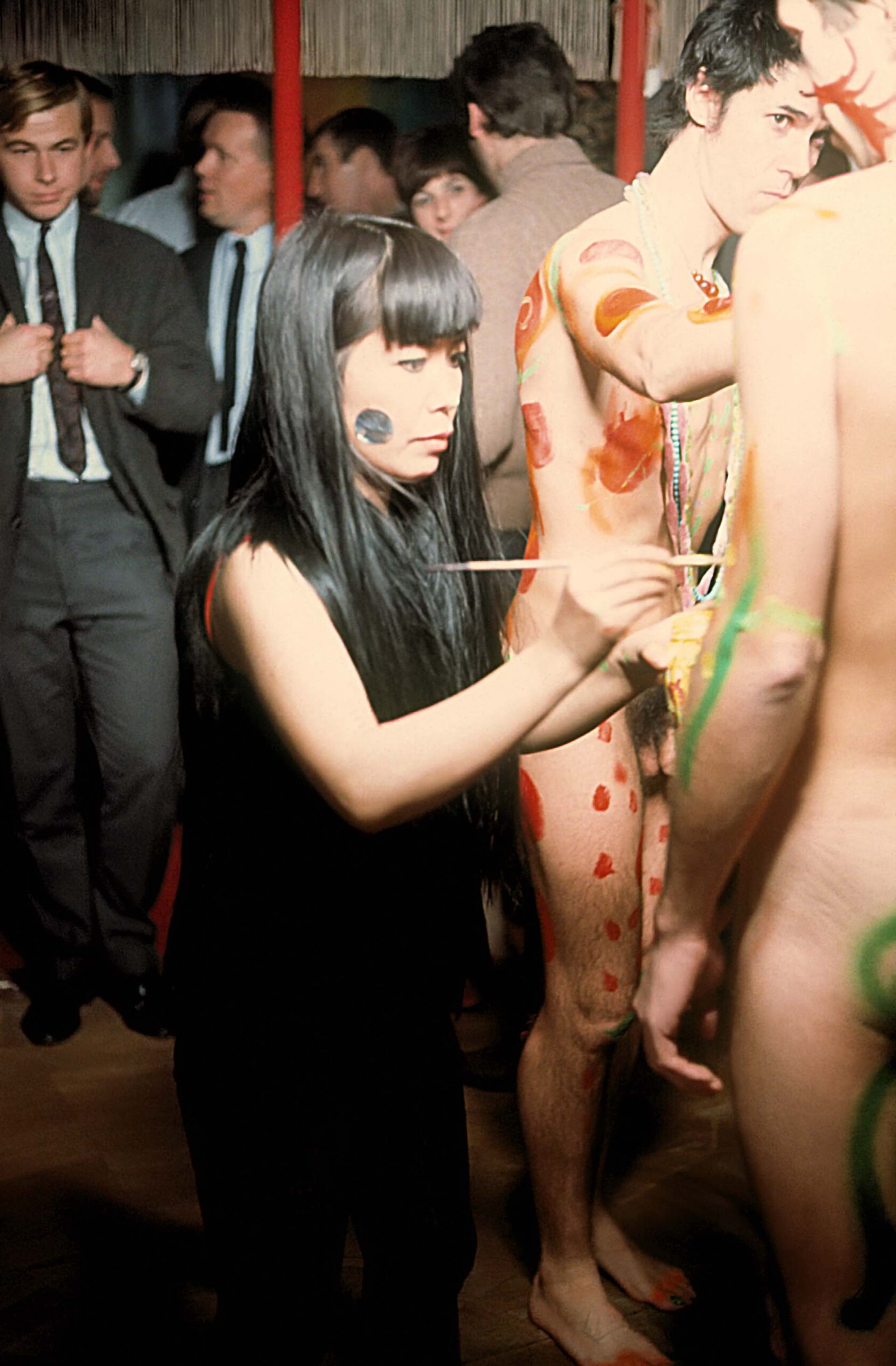
At a time when Kusama was confronting the walls of misogyny and racism in New York, the Netherlands opened its doors to her. She found an artistic home within the Dutch Nul movement, where artists such as Henk Peeters and Jan Schoonhoven recognized her brilliance, offering her both her first major European platform and the creative freedom she craved. Amid the liberal, electrifying atmosphere of the 1960s—with the Provos challenging the establishment and the sexual revolution reshaping society—Kusama established herself as the ultimate architect of her own media image. Her nude happenings and obsessive polka dots inspired both profound admiration and widespread moral outrage.
Drawing on rare archival footage, the hypnotic photography of Harrie Verstappen and others, intimate recollections from eyewitnesses including Henk Peeters, Truus Peeters-Nienhuis, Caroline De Westenholz, Paul Damsté, and Agnes Becht, as well as insights from art historians Margriet Schavemaker and Catrien Schreuder, the film vividly brings these turbulent years back to life.
Art as a Survival Strategy
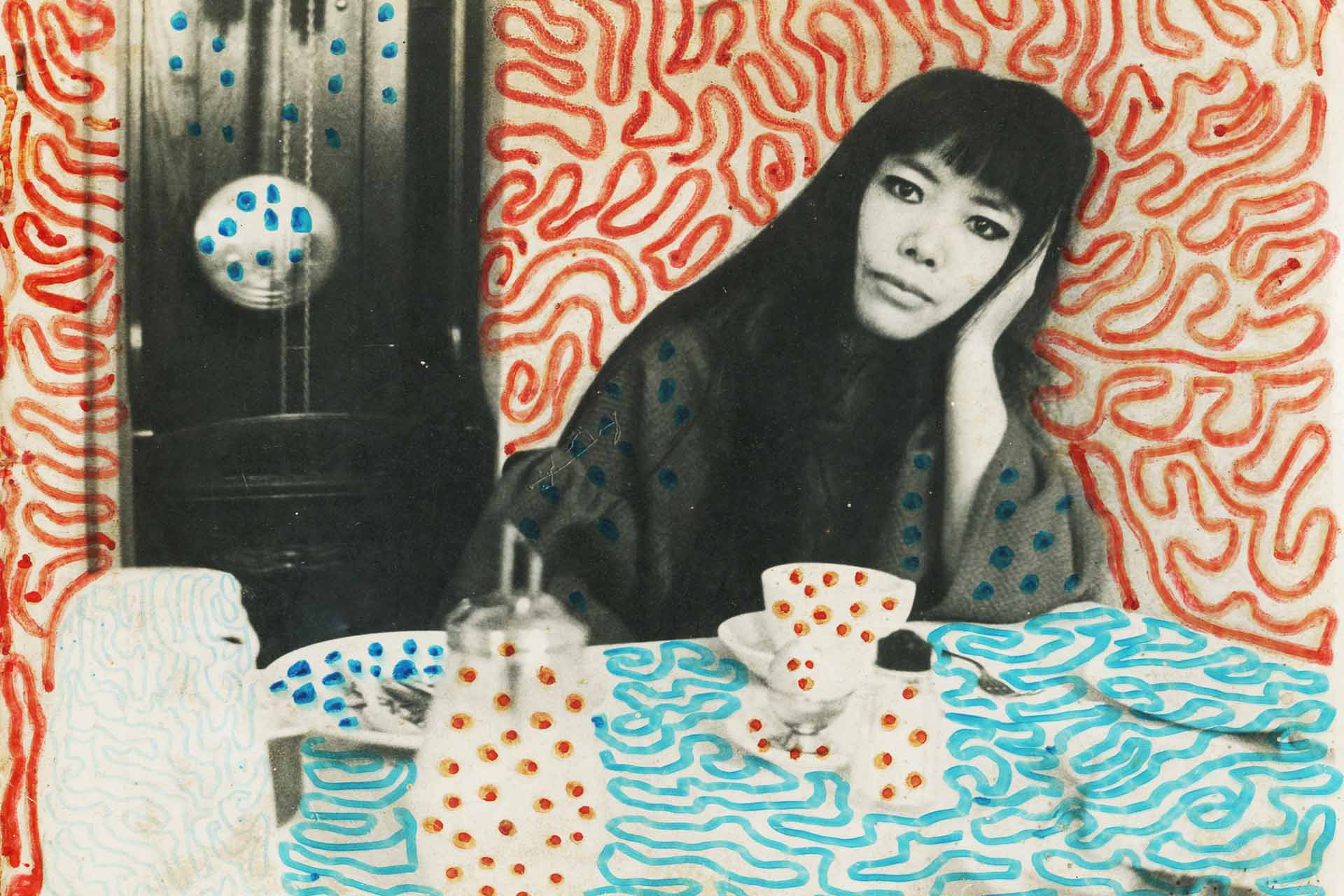
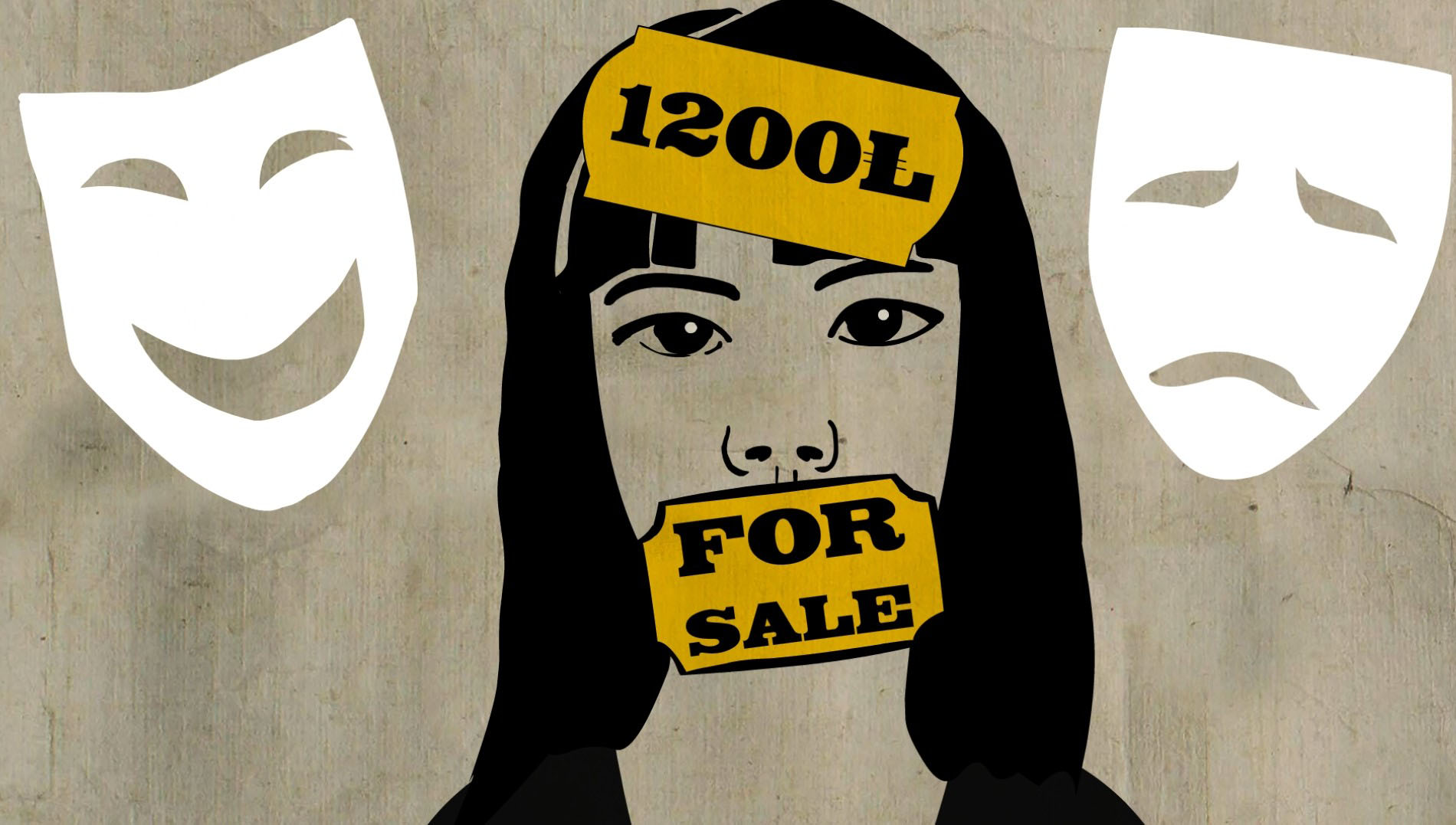
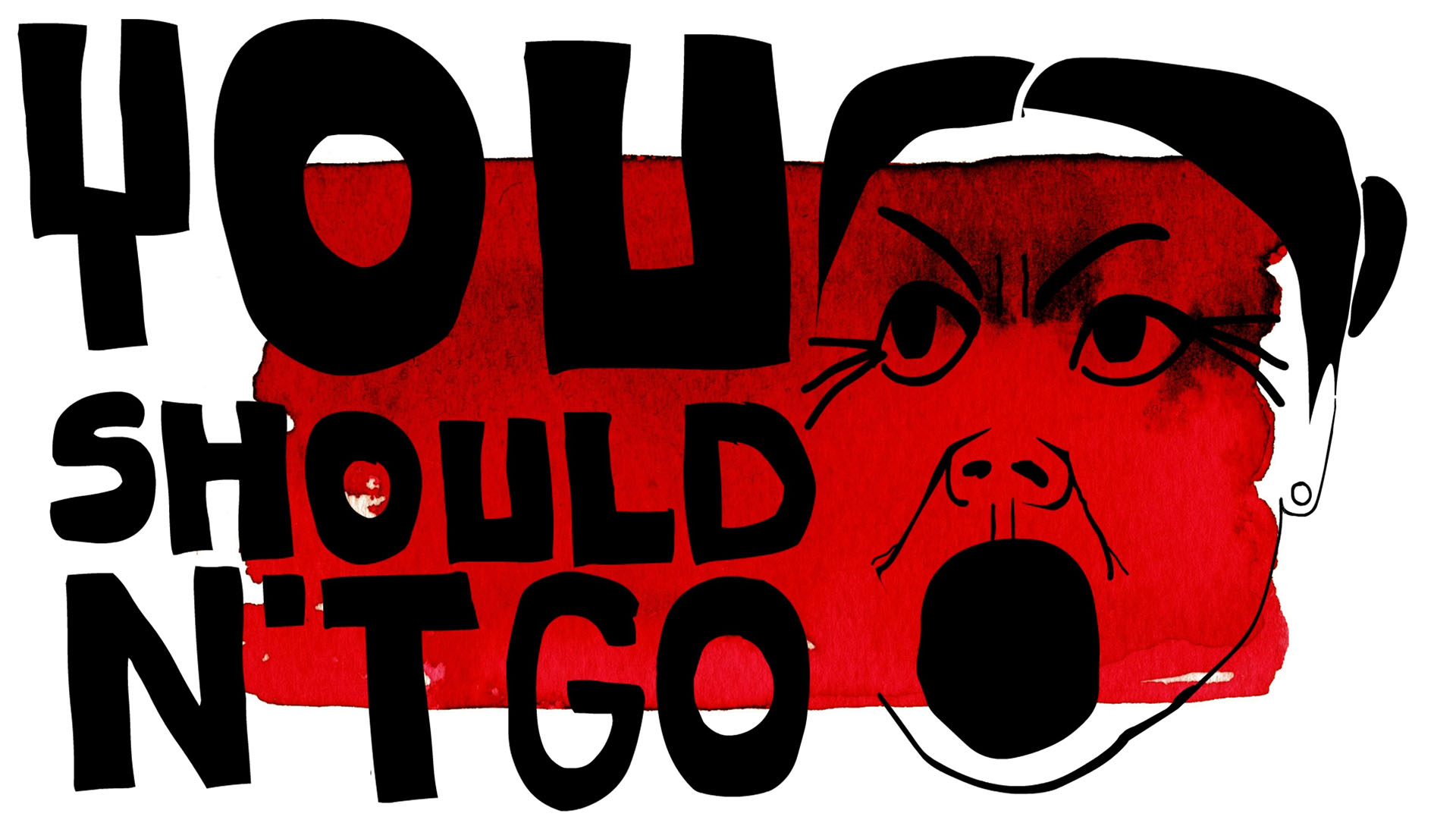
Kusama in Holland goes beyond a nostalgic artist portrait. It is a layered drama about art as a means of survival. Specially created animations immerse viewers in Kusama’s inner world, revealing how her compulsive repetitions became an essential shield against the terrifying hallucinations that haunted her. The documentary boldly connects past and present, juxtaposing her historical struggle with her current status as a living cultural icon.
Credits
Voice Kumi Sekimoto
Animation Cristina Garcia Martin
Director & scenario Sherman de Jesus
Research Sandra van Beek, Tijs Visser
Camera Deen van der Zaken NSC
Sound Wouter Veldhuis
Editor Jelle Redeker NCE
Music Wouter van Bemmel
Sound design & mixage Rob Dul
Color correction Joel Sahuleka
Co-producer AVROTROS

